Why Is My Radiator Not Heating Properly? Common Valve Issues & Fixes
Introduction
Is your radiator staying cold even when your heating is on? A faulty or incorrectly set radiator valve could be the cause.
In this guide, we’ll break down common radiator valve problems and how to fix them, so you can get your radiator heating efficiently again.
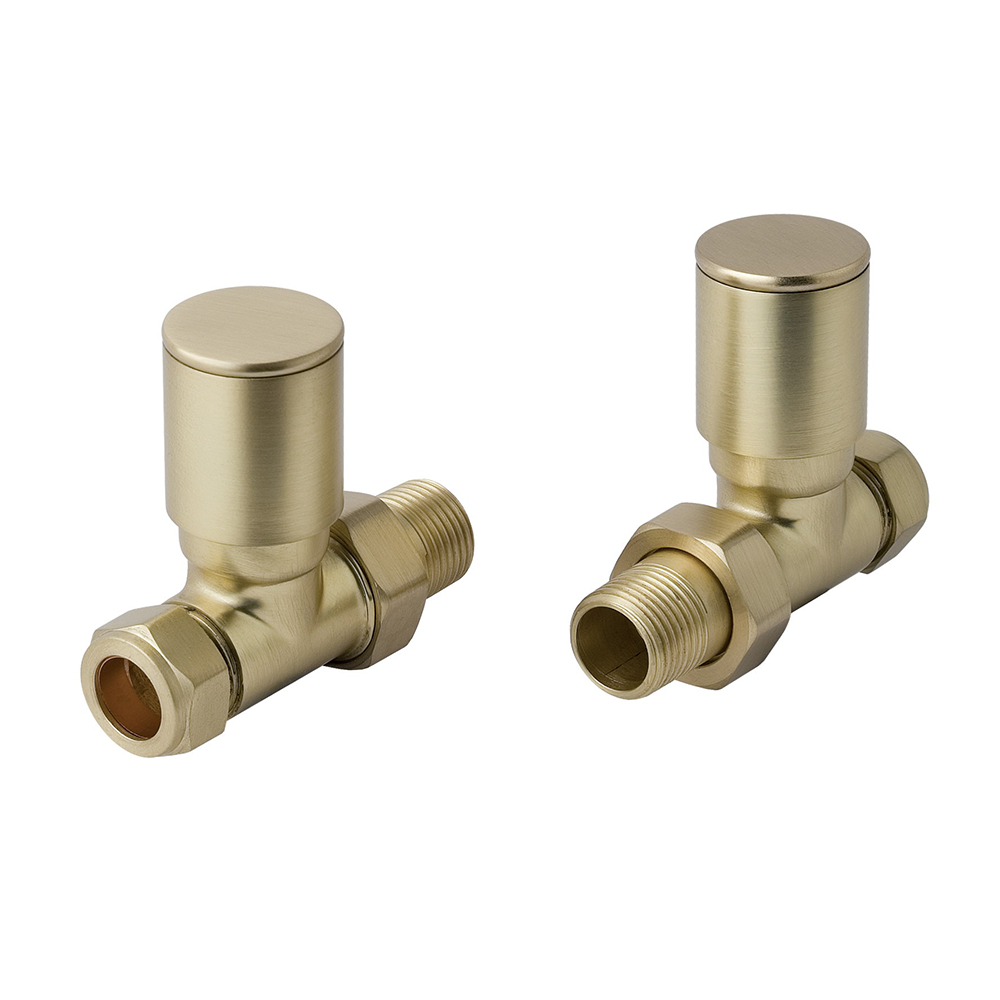
Problem 1: The Radiator is Completely Cold
Possible Causes:
✅ The valve is turned off.
✅ Air is trapped in the radiator.
✅ A blockage is preventing hot water flow.
How to Fix It:
✔ Check if the valve is open – Ensure the thermostatic radiator valve (TRV) or manual valve is fully open.
✔ Bleed the radiator – If air is trapped inside, release it using a radiator key.
✔ Check for a blockage – If the radiator remains cold after bleeding, it could be sludge buildup. A professional flush may be needed.
Problem 2: The Radiator is Warm at the Bottom but Cold at the Top
Possible Causes:
✅ Trapped air is preventing water circulation.
✅ The thermostatic radiator valve (TRV) is stuck.
How to Fix It:
✔ Bleed the radiator – Use a radiator key to let trapped air escape.
✔ Check the TRV for blockages – If it’s stuck, gently twist it back and forth to loosen it.
Problem 3: The Radiator is Warm at the Top but Cold at the Bottom
Possible Causes:
✅ Sludge or rust buildup is blocking water flow.
✅ The central heating system is dirty.
How to Fix It:
✔ Try balancing the system – Adjust other radiators’ valves to encourage flow.
✔ Power flush the system – If the problem persists, a professional cleaning may be required.
Problem 4: The Radiator Heats Unevenly or Takes Too Long to Warm Up
Possible Causes:
✅ The radiator valves are incorrectly set.
✅ The heating system needs balancing.
How to Fix It:
✔ Adjust the lockshield valve – Slightly open the lockshield valve (usually on the opposite side of the main radiator valve) to allow even heat distribution.
✔ Ensure the TRV is not stuck – Try gently tapping it to free any internal blockages.

🔹 Regularly clean and check your radiator valves – Prevents blockages and keeps them working smoothly.
🔹 Bleed your radiators every few months – Removes trapped air and improves efficiency.
🔹 Consider upgrading to modern, energy-efficient TRVs – Helps regulate temperature automatically.
3. When to Replace Your Radiator Valves
If your radiator valve is old, damaged, or stuck, replacing it may be the best solution. Signs you need a new valve include:
✔ Leaking or dripping valve
✔ Inconsistent heating, even after bleeding
✔ A stuck TRV that won’t adjust properly
✔ Rust or visible wear on the valve
Final Thoughts: Get Your Radiator Working Efficiently Again
If your radiator isn’t heating properly, the issue often lies with the valves. Simple fixes like bleeding the radiator or checking for stuck TRVs can resolve most problems.
However, if your valves are old or faulty, replacing them with high-quality, modern valves can improve efficiency and enhance the look of your bathroom.


Comments
Post a Comment